About This Book
About This Book
The recipes in these pages have been culled from the home cooks, farmers, winemakers, and professional chefs of the islands. Some recipes were donated by casual acquaintances I met while reporting a travel story, others by close friends, who will pick me up at the port when I arrive and hand over the keys to their vintage Fiat Panda to use during my stay. After spending nearly a quarter century exploring the Italian islands for work and play, I feel these dishes showcase the best these alluring places have to offer.
When I set out to write this book, I reflected on the structure of my previous books, Tasting Rome and Food of the Italian South, which are divided into chapters by course to reflect the way we eat in Italy. After spending almost all of my adult life cooking and dining in Italy, I have fully adopted the multicourse daily feast. But to make this book even more fun and practical for those outside Italy, Food of the Italian Islands is broken up with a thematic approach to (hopefully!) make it more inviting to home cooks not bound to the traditional five-course meal of antipasto (starter), primo (pasta, risotto, or polenta), secondo (meat or fish), contorno (vegetable side dish), and dolce (dessert). I have also added tips throughout for pairing dishes in different chapters to create a whole meal. Look for them in the blue bubbles at the end of recipes!
The Organization
I’m kicking it all off with Snacks because they’re so fun and offer the quickest route for getting into the island spirit. Recipes include savory items that one might eat on the street in Sicily or at the beach in Sardinia but that would be perfectly at home on your table if you’re hosting an aperitivo with friends.
Pasta is next because it’s the most accessible food. Plus, it’s the chapter that can accommodate practically any dietary restriction, even dairy- and gluten-free; simply omit the cheese and substitute gluten-free pasta for the fresh or dried pasta. In each recipe, I recommend specific pasta shapes that make sense with the sauce, reflecting the Italian approach—we consider a shape’s architecture and the sauce’s viscosity then formulate the ideal pairing. That said, I also offer alternatives, so you can feel more free to mix and match according to your tastes and what you’ve got in the pantry.
Throughout the Pasta chapter, I reference specific handmade shapes like busiate and trofie. You can find recipes and instructions for making these pasta shapes by hand in the Appendix. I would love it if you made them, but every single sauce in the pasta chapter can also be paired with dried pasta or store-bought fresh pasta if you prefer.
The Soups and Stews chapter covers the many brothy dishes of the islands, many of which feature fish or legumes. Some of these recipes include pasta already; you can add pasta or even wheat berries to the others, if you wish, to transform a light soup into a heartier meal.
The Fish and Meat chapters both contain main courses, any of which can be accompanied by dishes from the Vegetables, Salads, and sIdes chapter that follows.
The Bread chapter will let you re-create island bakery classics in your home oven. My friend chef John Regefalk, an expert in Italian baking traditions, developed many of the dough recipes in this chapter, as he did for Tasting Rome and Food of the Italian South. We really nerded out in those books and focused on sourdough baking and long fermentations. This time, we mostly explored quicker, yeast-based recipes in the hopes that even more people will be enticed to try recipes adapted to a beginner skill level.
The Desserts chapter celebrates the ricotta, almonds, pistachios, citrus zest, and honey that typify the islands’ pastry traditions, and in classic island style naturally feature gluten-free options.
The Cocktails, Liquers, and Wines chapter provides guidelines on creating boozy bookends to your island-inspired meals. Pair the aperitif cocktails with bites from the Snacks chapter! The various digestivo recipes are super-fun projects that will bring the spirit (get it?) of the islands to your home bar. I also dedicate a section to island wines so you have a road map for purchasing bottles from producers I love.
The appendix features fresh pasta recipes, and Travel tips for Your Island-Hopping Pleasure offers intel on the best and greatest places to eat and drink on your next island excursion.
The Island Kitchen
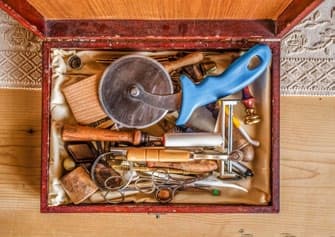
You can cook island food wherever you are and with whatever you have. It would be great if you had a collection of centuries-old woven mats over which to pull and drysu filindeu or your grandmother’s basket for giving texture tomalloreddus, but with few exceptions, you can improvise with things that you already have in your home. When possible, I provide alternatives for special equipment. Otherwise, you can get it done using basic kitchen tools. Literally the only item that I insist you use is a kitchen scale that measures in grams for pasta and bread recipes, to ensure you get the most successful and precise results. But if you want to be a completist, you’ll need the tools in the list that follows, which you can buy online or ideally during an island trip!
Ingredients
You might expect a book about the Italian islands to be all about seafood. But fish is just a small (and relatively recent) part of the rich tapestry of island traditions. Due to the fact that islanders were vulnerable to attack and invasion when they lived near the sea, their diets historically include more land-based proteins like pork, lamb, goat, rabbit, and beef. Pescatarians will for sure find delicious dishes in these pages, but so will carnivores, who will fall in love with Sardinia’s pork, Ischia’s rabbit, and Sicily’s beef specialties. Vegetable enthusiasts will adore the flavorful and fiber-rich legume and produce-based recipes.
The islands of Italy are all isolated (obviously— isola is the word for “island” in Italian), so their cuisines developed somewhat independently, but even those quite distant from one another do share common culinary features. There’s a heavy use of wild herbs like bay leaves, oregano, rosemary, and mint, which grow spontaneously in fields and along mountain trails, and bitter produce like chicory. There are lots of legumes, as they offer a nutritious and shelf-stable calorie source for populations that lived inland to avoid pirates (really!) and other invaders.
Seasonal produce plays an important role, especially eggplant and tomatoes, both of which I recommend using only in season, if you can. If you have a garden, channel your inner Italian islander and grow your own. There are great seed purveyors like Seeds from Italy, Smarties.bio, and Baker Creek Heirloom Seeds that sell Italian varieties online.
Potatoes, another long-lasting ingredient, are wildly popular on the islands and often accompany meat dishes. Poultry, on the other hand, didn’t become common until the mid- twentieth century, which is why you won’t find many recipes that use it in these pages. That is also around the time that a wide-ranging and large-scale fishing industry developed in Italy and refrigeration became more common, making fresh fish more available, joining the long- established preserved tuna, salted anchovies, andbottarga common on island tables.
Equipment
Wooden skewer or knitting needle, for shaping busiate
Wicker basket, Sushi mat, or gnocchi board, for giving texture to malloreddus
Large jars, for macerating and storing liqueurs
Kitchen scale (I know this is the second time I’ve mentioned it, BUT I MEAN IT!)
Baking steel, ideally, or a Pizza stone, for baking bread and flatbreads
Parchment paper, for lining baking sheets and some bread baking
Bench scraper, for shaping dough and cleaning up afterward
Stand mixer and dough hook attachment, for mixing some of the doughs in the book (if you don’t have one, you can absolutely mix by hand— just mix longer than the recipe suggests)
Brass pasta and pastry wheels, for giving texture to the edges of caschettas and seadas
Scivedda, or high-sided bowl, for mixing pasta and bread dough
Freguera, for making cùscusu and fregula
Prattu de cassa, or copper pan, for braising meats and general Sardinian cooking